Ask What Will Change
Think about hiring a contractor to remodel your kitchen. You’d want a written list: new cabinets, new counters, the sink moved three feet. An AI search proposal deserves the same list. Will the provider write service pages, correct your business information, check that search crawlers can reach your site, improve the links between your pages or keep a monthly report? Which of those are included, and who checks the facts before anything goes live?
Our SEO service lists those tasks, because you should be able to look at the finished work and see what was done. A monthly promise with no task list is hard to judge, even when the provider means well.
Air-Weigh’s Guides Bring In 41% of Its Google Clicks
Air-Weigh makes on-board scales for trucks. Its website has a detailed weight-law guide for each state, answering the question a fleet manager or driver types into Google.
August 17 to September 13, 2026. Google Search Console clicks and impressions; AI-assistant sessions from Google Analytics (75 attributed to ChatGPT). Site-wide activity, not sales.
Answer the exact question
The California and Texas guides each run about 900 words, and they rank for questions as specific as the bridge-law chart for Montana.
See the Air-Weigh project →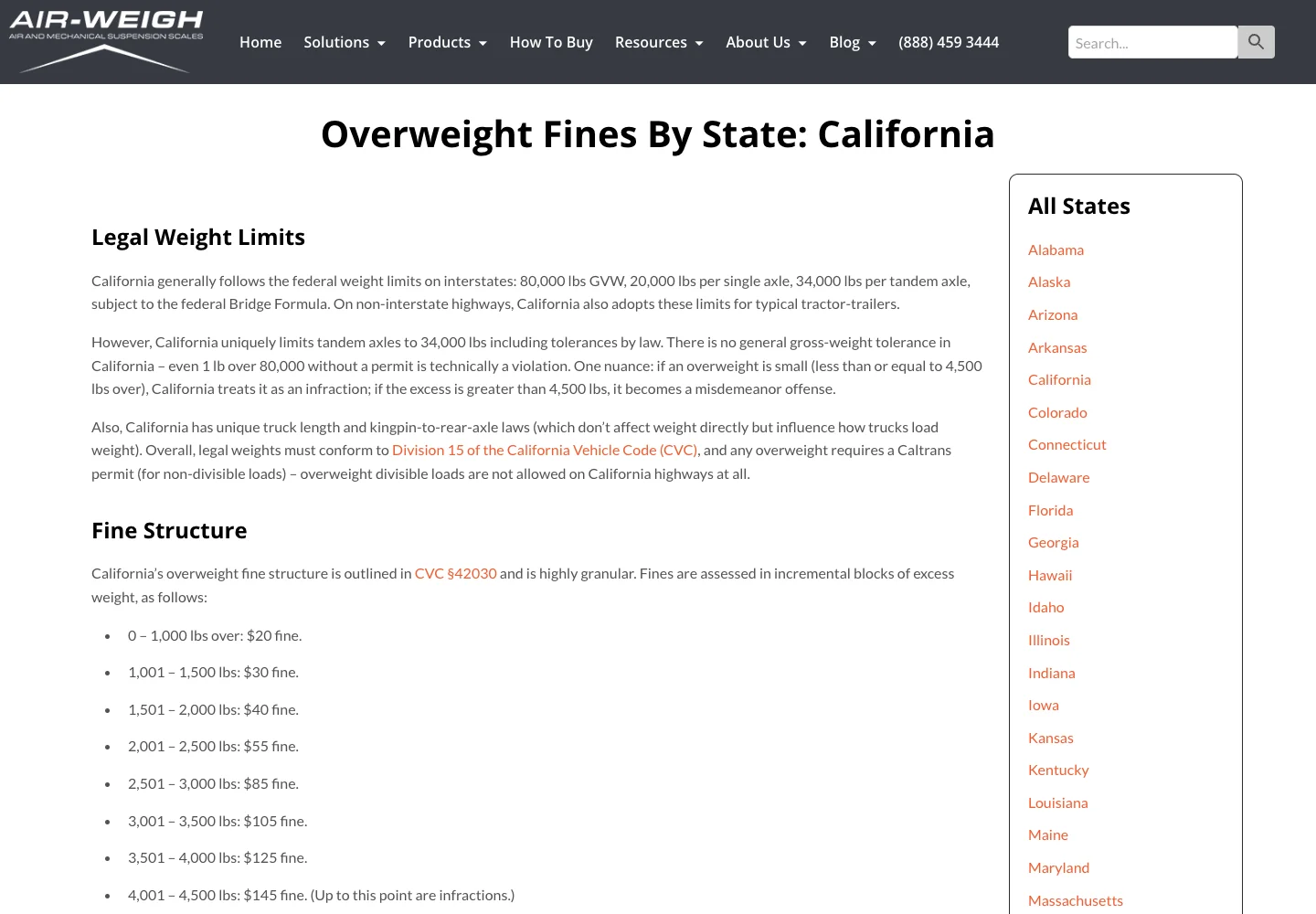
Check Platform Claims at the Source
Google’s guidance for its AI features lists no special AI text file or special schema as a requirement. That guidance covers Google’s own features, and other AI companies may document their own controls.
When someone proposes a technical change, ask which product it applies to and ask for the current documentation. A tool or file can have a good purpose and still be optional for your website.
Ask What the Evidence Shows
A screenshot of one AI answer should show which AI tool gave it, the date, the question asked and the result it cited. It records one answer on one day. Ask what happened next: a visit, a call, a sale?
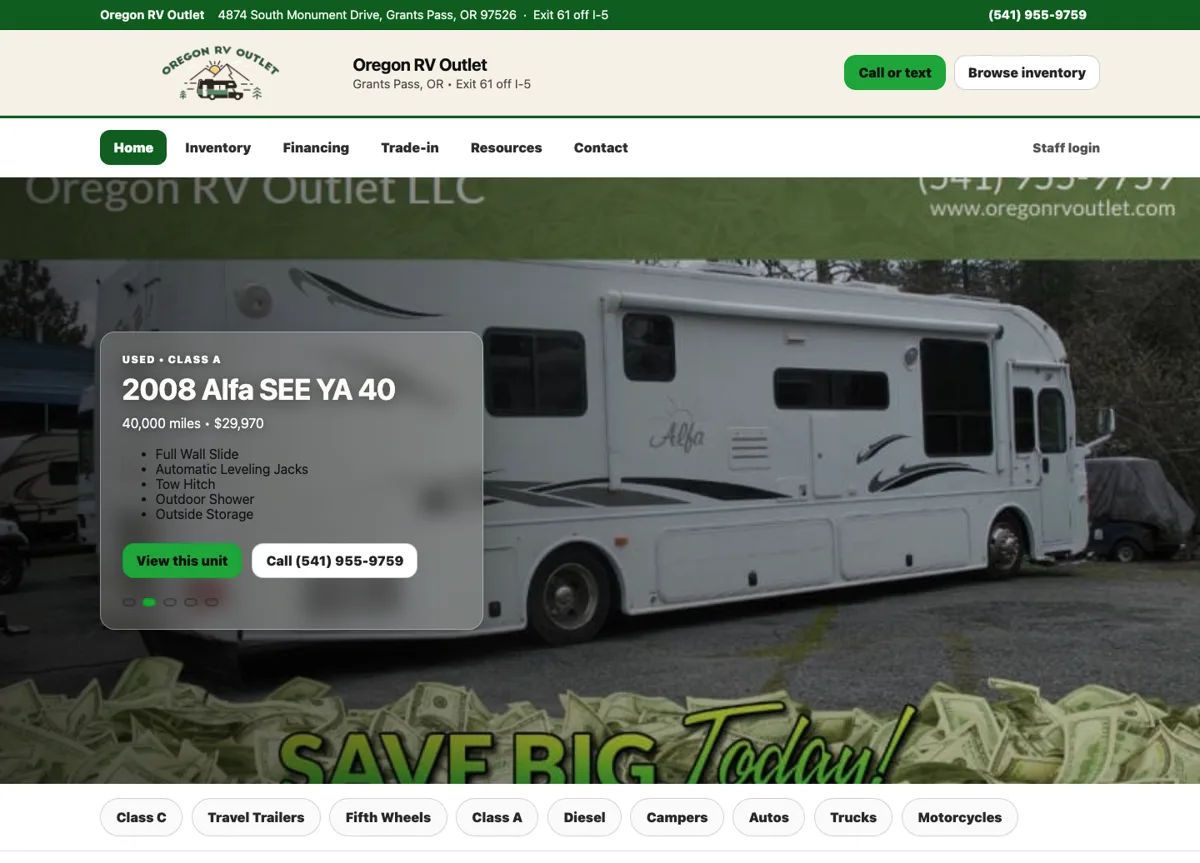
A good case study reports search impressions, visits, inquiries and sales as separate numbers. Our Oregon RV Outlet project ties each published figure to its time period and its source.
Russco in Google’s AI Overview
On September 16, 2026, we searched Google for “who does trench digging and land clearing in Roseburg Oregon.” Google’s AI Overview named Russco Enterprises, drawing on its homepage, its trench-digging service page and its Roseburg service-area page.
One dated search observation from Merlin, Oregon. AI answers vary by person, place and time. See the Russco Enterprises project
Ask Who Owns the Work Afterward
Find out who will hold access to the website, the content, the reports and any tools used, and what keeps running if the engagement ends. These are ordinary scope questions, and a good ongoing provider will have the answers ready.
By the end of your review you should know exactly what will be delivered and how you can check it. If a proposal promises you a spot in every AI answer, ask for the task list behind that promise.
Compare Two Descriptions of the Same Offer
Say you run a landscaping company in Grants Pass and two proposals land in your inbox. One says “We make your business AI-ready.” The other names the pages it will review, the access checks it will run, the facts and copy it will correct and the report you will receive, and it says which platform each claim is about. The second one gives you something you can check.
Ask for a sample deliverable with the customer’s details removed. Can you see the original issue, the proposed change and the evidence behind it? Completed website work shows up as changed pages you can open and read.
Then sort the setup work from the recurring work. What will the provider do next month that isn’t finished this month? Ongoing publishing or measurement is worth paying for when each task has a reason and a person responsible for it. The SEO-provider questions cover access, reporting and ownership in more detail, and if you’d like a second opinion on a proposal, call me at (541) 226-8087.

I run Good Creations in Grants Pass. I work directly with business owners on website design, content, and search. My work includes service writing, inventory websites, and custom publishing tools.
Meet Bob