Pair the Service With a Need People Recognize
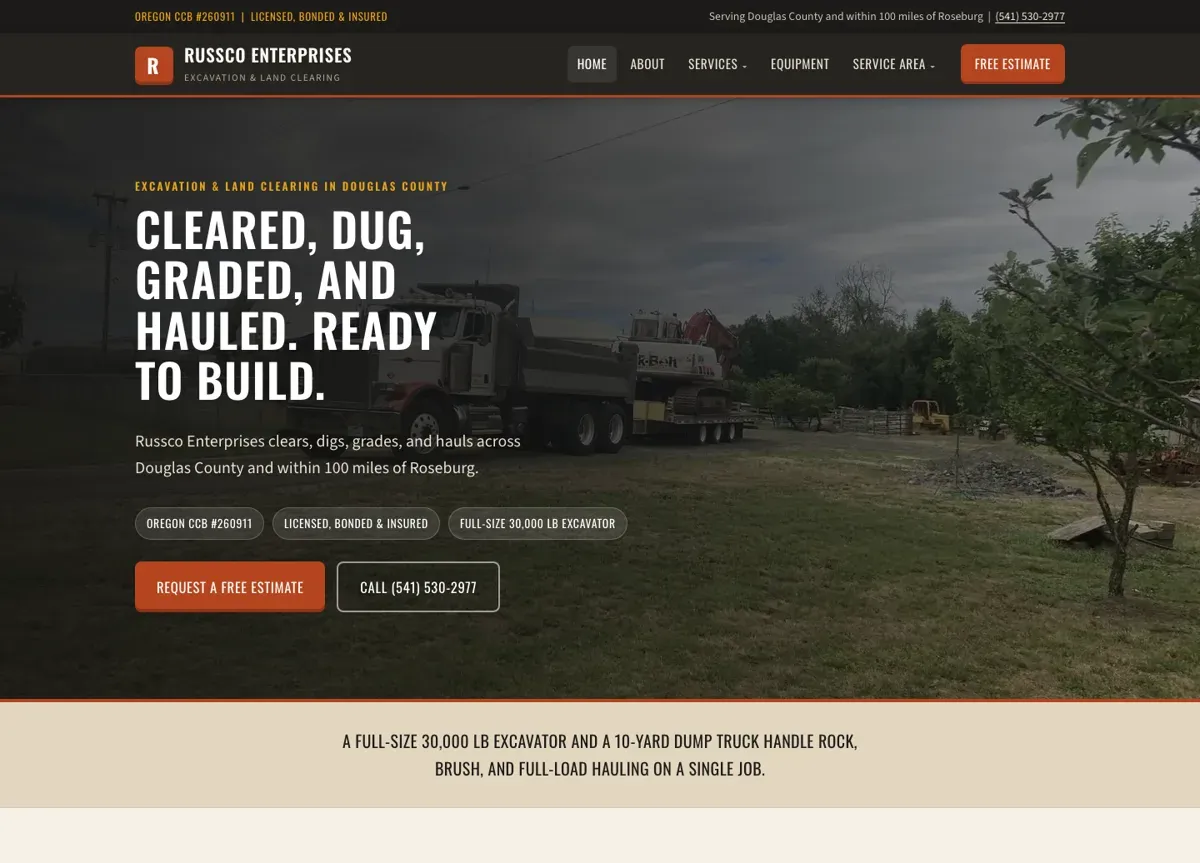
An excavation page can explain site prep, access for equipment and what information you need to talk about a property. A website design page can explain what happens to good existing pages during a rebuild. Those connections make the service concrete.
Keep the real service name front and center. Customers still search for it, and customer-focused writing works right alongside it.
Air-Weigh’s Guides Bring In 41% of Its Google Clicks
Air-Weigh makes on-board scales for trucks. Its website has a detailed weight-law guide for each state, answering the question a fleet manager or driver types into Google.
August 17 to September 13, 2026. Google Search Console clicks and impressions; AI-assistant sessions from Google Analytics (75 attributed to ChatGPT). Site-wide activity, not sales.
Answer the exact question
The California and Texas guides each run about 900 words, and they rank for questions as specific as the bridge-law chart for Montana.
See the Air-Weigh project →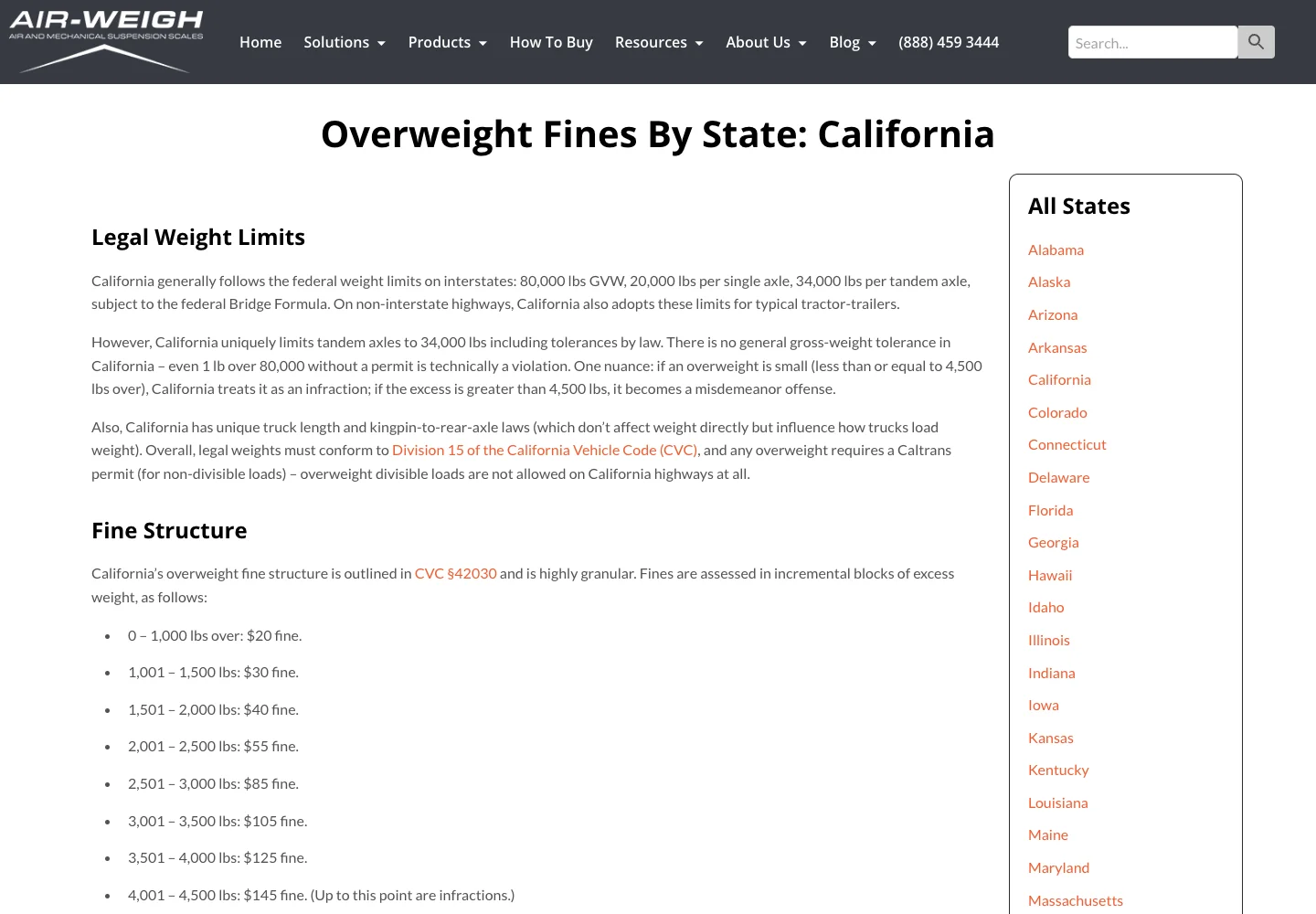
Explain What Changes the Answer
List the things that affect the job. You might need photos, measurements, an inspection or details about how the customer plans to use the finished work. Explaining those factors helps someone get ready for the conversation.
Be upfront about what an article can cover and what needs a look at the actual job.
Give a Clear Next Step
Tell readers how to get started and what information helps. Link to a relevant example if it makes the service clearer. The invitation should feel like the natural end of the explanation.
Then pay attention to the calls you get. If people keep asking something the page is supposed to answer, reread the wording with fresh eyes. You want the conversation to start clearly on the website and pick up smoothly on the phone.
Metal Finishing Group Explains Every Process in Detail
Metal Finishing Group’s website gives each finishing process its own technical article, written for the engineers and buyers who specify them.
Google Search Console August 19 to September 15, 2026; Google Analytics August 20 to September 16, 2026. Google Analytics also recorded 10 sessions in its AI Assistant channel.
Technical content for technical buyers
An engineer comparing anodizing types finds the specifications, the process and the industries it serves on one page.
See the Metal Finishing Group project →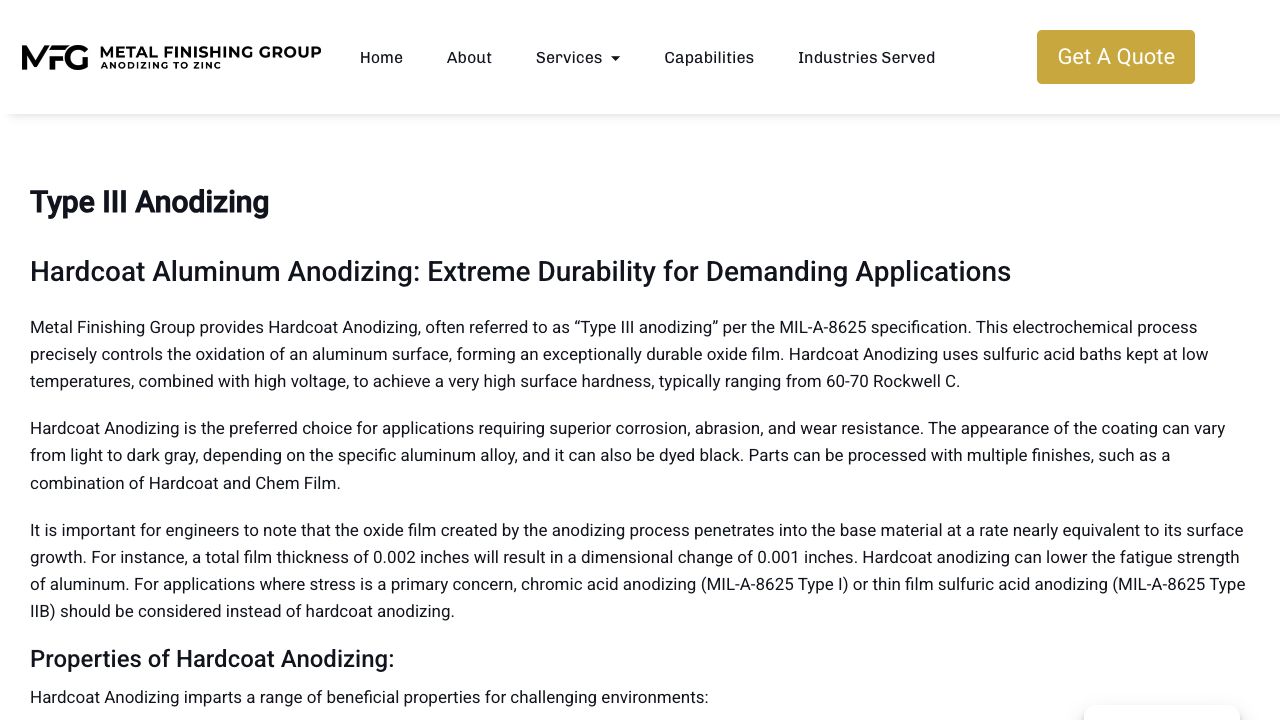

I run Good Creations in Grants Pass. I work directly with business owners on website design, content, and search. My work includes service writing, inventory websites, and custom publishing tools.
Meet Bob