A content hub turns individual articles into a library. It shows search engines the depth of your expertise, helps AI tools understand the full scope of what you know, and gives visitors a clear path through complex information.
Here’s how to organize a 30-article content cluster into a hub. Whether you write the content yourself or have it written for you, knowing the logic behind it helps you get better results.
What Is a Content Hub?
A content hub is an organized collection of related content centered around a main topic. It has three core elements:
- Pillar page. The central, comprehensive page on the main topic. It provides an overview and links out to more detailed content.
- Cluster articles. Each covers a specific subtopic, question, or problem in depth and links back to the pillar.
- Internal links. These create relationships between all pieces of content.
This structure makes the content easy to navigate, spreads authority across the whole cluster, and shows search engines and AI tools the full depth of your expertise.
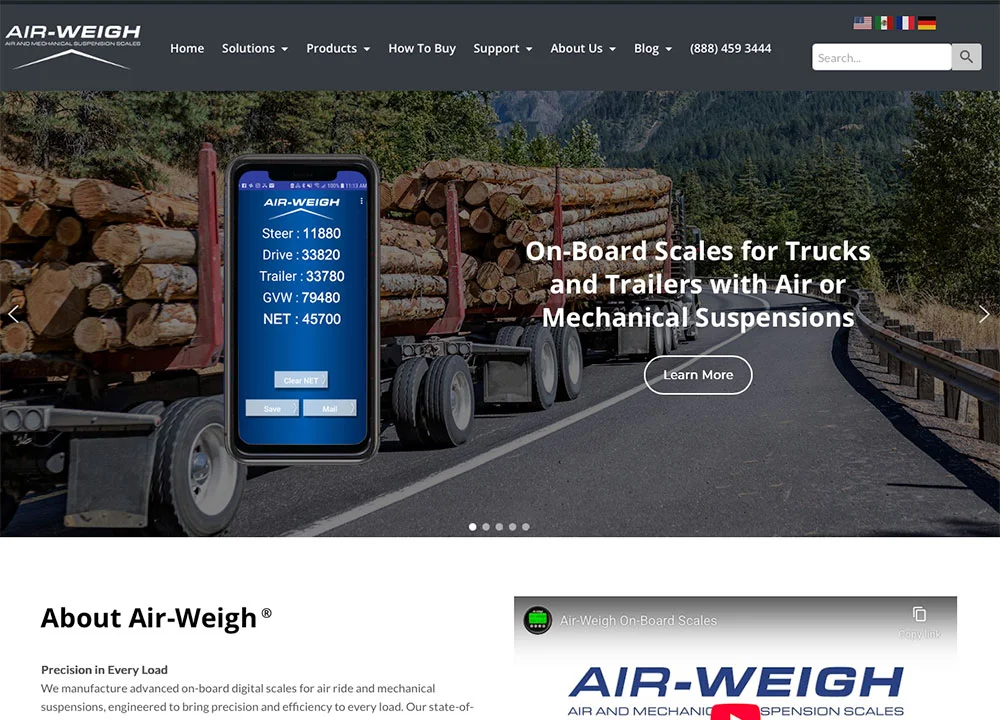
Air-Weigh’s Guides Bring In 41% of Its Google Clicks
Air-Weigh makes on-board scales for trucks. Its website has a detailed weight-law guide for each state, answering the question a fleet manager or driver types into Google.
August 17 to September 13, 2026. Google Search Console clicks and impressions; AI-assistant sessions from Google Analytics (75 attributed to ChatGPT). Site-wide activity, not sales.
Answer the exact question
The California and Texas guides each run about 900 words, and they rank for questions as specific as the bridge-law chart for Montana.
See the Air-Weigh project →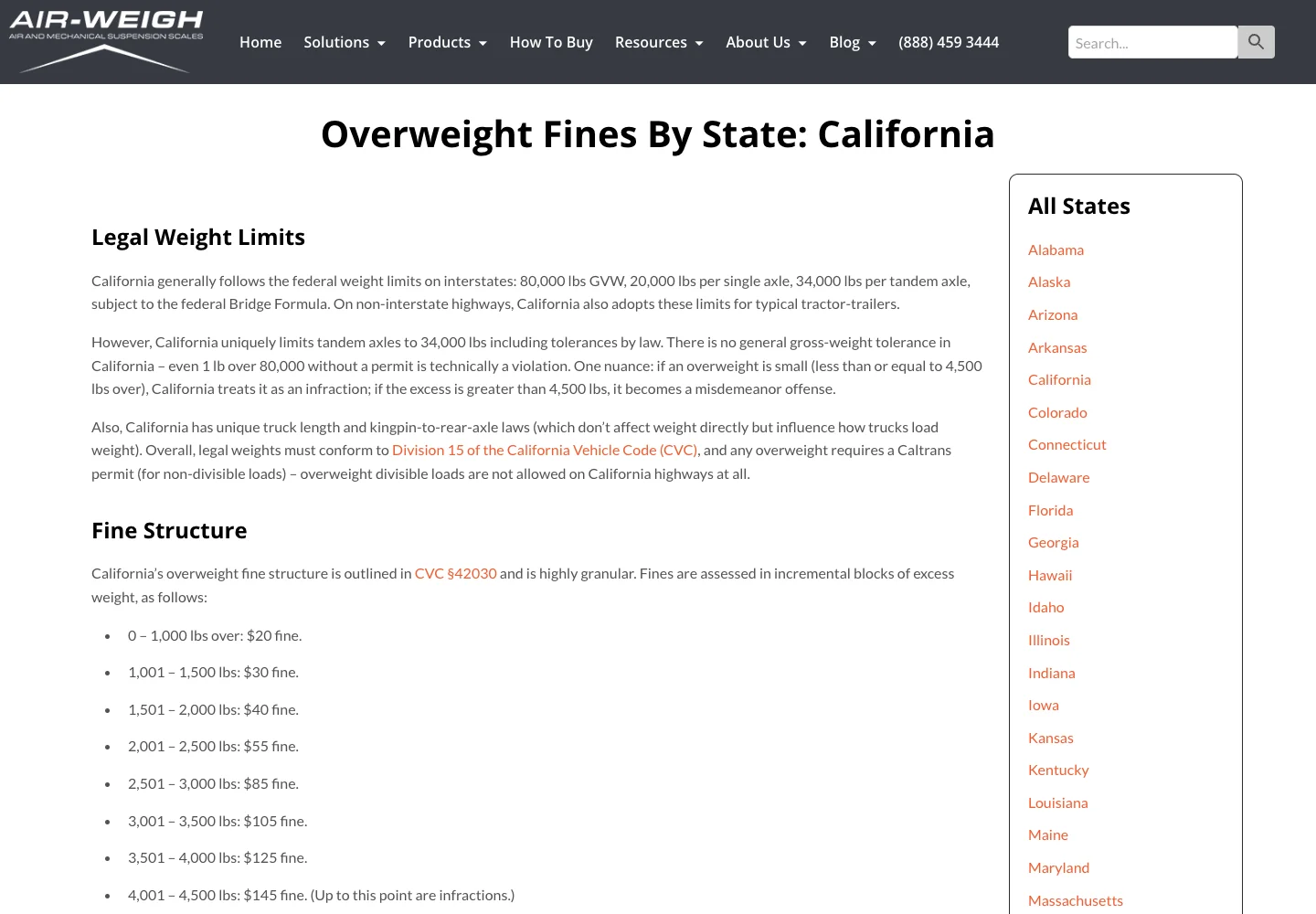
How 30 Articles Fit Together
A 30-article hub typically breaks down into:
- 1 pillar page giving an overview of the main topic
- 5 to 7 subtopic sections containing 4 to 6 cluster articles each
- FAQ content either standalone or integrated
Example for a plumbing company:
- Pillar: Complete Guide to Home Plumbing Problems and Solutions
- Section 1, Water Heaters: 5 articles on problems, repair vs replace, types, maintenance, and costs
- Section 2, Drain Issues: 5 articles on slow drains, recurring clogs, methods, and when to call a professional
- Section 3, Leaks: 5 articles on detection, emergency response, repair options, and prevention
- Section 4, Fixtures: 4 articles on faucets, toilets, showers, and common issues
- Section 5, Seasonal: 5 articles on winterization, spring checks, summer issues, fall prep, and emergencies
- Section 6, Decisions: 5 articles on hiring a plumber, costs, DIY vs pro, expectations, and key questions
Each section covers a different part of the topic, and together they establish you as the authority on it.
Three Ways to Organize Your Sections
There are three logical ways to group your 30 articles:
By Problem Type
Group articles around customer problems: water heater trouble, drain problems, leaks and so on.
By Service Category
Group articles around the services you offer: installation, repair, maintenance and emergency response.
By Customer Journey Stage
Organize content by where the visitor is in their decision: learning, comparing, or ready to hire.
Most hubs work best with a blend of all three.
How Internal Links Make the Hub Work
Internal links turn separate pages into a working hub:
Cluster to Pillar
Every cluster article links back to the pillar page, strengthening the main topic.
Pillar to Cluster
The pillar page links out to every cluster article, leading visitors to the deeper content.
Cluster to Cluster
Articles on related topics link to each other.
Cluster to Service Pages
Educational articles link to the matching service pages, giving readers a natural next step.
Metal Finishing Group Explains Every Process in Detail
Metal Finishing Group’s website gives each finishing process its own technical article, written for the engineers and buyers who specify them.
Google Search Console August 19 to September 15, 2026; Google Analytics August 20 to September 16, 2026. Google Analytics also recorded 10 sessions in its AI Assistant channel.
Technical content for technical buyers
An engineer comparing anodizing types finds the specifications, the process and the industries it serves on one page.
See the Metal Finishing Group project →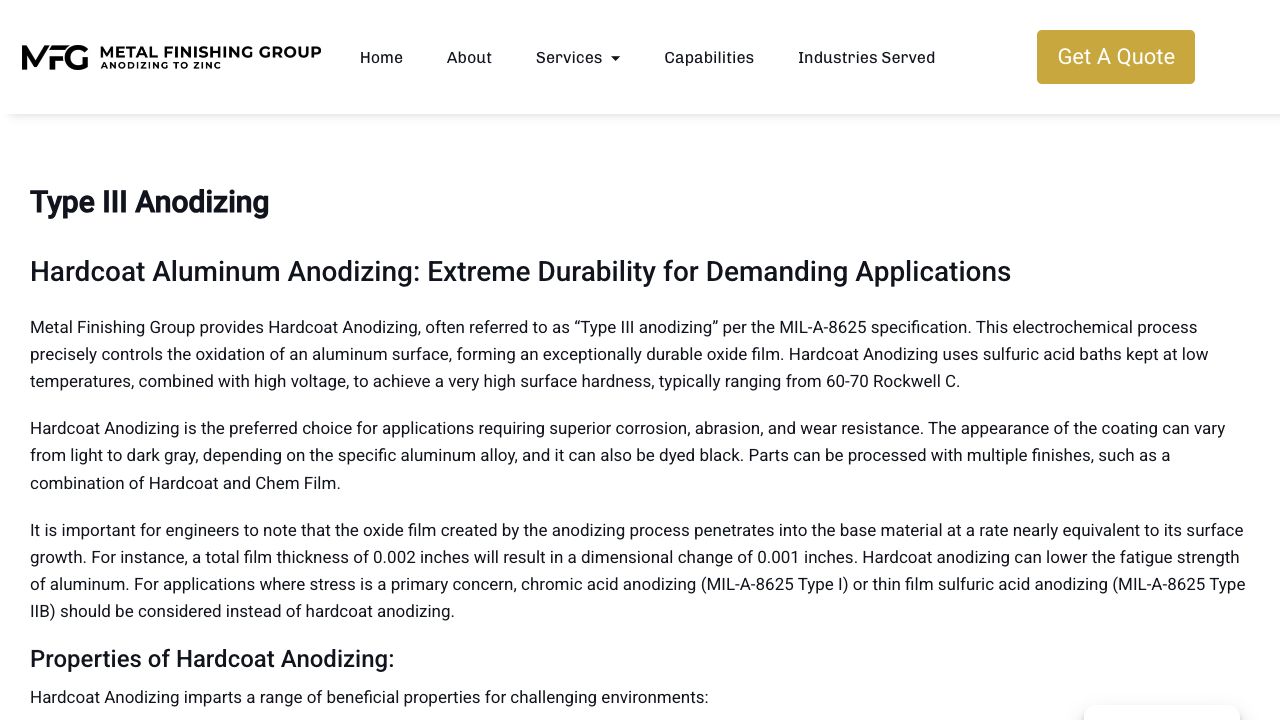
Reinforcing Structure with Schema and Headings
A few more elements strengthen the hub:
- Consistent headings: H1 for the title, H2 for sections, H3 for subsections
- Article schema: identifies each page as an article, with its details
- FAQ schema: labels question-and-answer content for AI systems
- Breadcrumbs: show where each article sits in the hub
How Hub Structure Supports AI Visibility
- Comprehensive coverage signals authority.
- Clear structure aids understanding.
- Multiple entry points increase discovery.
- FAQ content provides extractable answers.
A hub creates the ideal conditions for AI citations.
A Simple Planning Framework
- Step 1: Define the central topic.
- Step 2: Identify 5 to 7 subtopics.
- Step 3: Brainstorm 4 to 6 questions per subtopic.
- Step 4: Map connections.
- Step 5: Define the pillar page.
Building It Yourself or Having It Built
- Writing 30 articles (60,000+ words)
- Implementing schema, linking, and structure
- Establishing strategy and topic selection
Many businesses have their hub planned and built for them. That is what our Authority Engine does: thirty researched articles organized exactly this way. Either way, knowing the structure helps you judge anyone’s work, ours included.
From Articles to Authority
Thirty well-planned articles form a hub that lifts your entire website. The pillar, the clusters, the links and the schema work together to show your expertise.
If you’d like to see what a hub would look like for your business, I’ll map the structure with you on a strategy call, and you decide whether to build it yourself or have it built. Call or text (541) 226-8087.
Related Articles
- The Organized Pantry Principle: Why AI Needs Your Content Labeled
- Stop Writing About Your Services. Start Writing About Their Problems.
- Stop Guessing What to Write. Start Listening to Your Customers.
- 7 Tips for Creating Engaging Content
- Why Your Website Needs an AI Authority Engine (And What That Actually Means)

I run Good Creations in Grants Pass. I work directly with business owners on website design, content, and search. My work includes service writing, inventory websites, and custom publishing tools.
Meet Bob