For small business owners watching their budgets, the appeal is obvious. Content takes time to create. Time costs money. If AI can do it faster and cheaper, why not?
The answer depends on what happens after the content exists. Does it rank? Does it get cited by AI tools? Do visitors trust it? Does it turn readers into customers? On every one of those, quality wins, and quality comes from your expertise.
Here’s why content led by people matters more than ever, and how to use AI as a tool while keeping the quality that brings results.
The Temptation of Fully Automated Content
The appeal is real. AI writing tools produce passable content quickly. For a small business that needs 30 articles for a content cluster, the math looks compelling:
Human-written content might cost $200 to $500 per article. AI-generated content might cost $20 per article or less. That’s a difference of thousands of dollars for a complete content cluster.
The pressure is real too, especially when you compete with bigger companies and bigger budgets. If competitors publish more, shouldn’t you match their volume?
That reasoning treats all content as equal. It assumes 30 mediocre articles perform as well as 30 excellent ones, and they don’t.
Air-Weigh’s Guides Bring In 41% of Its Google Clicks
Air-Weigh makes on-board scales for trucks. Its website has a detailed weight-law guide for each state, answering the question a fleet manager or driver types into Google.
August 17 to September 13, 2026. Google Search Console clicks and impressions; AI-assistant sessions from Google Analytics (75 attributed to ChatGPT). Site-wide activity, not sales.
Answer the exact question
The California and Texas guides each run about 900 words, and they rank for questions as specific as the bridge-law chart for Montana.
See the Air-Weigh project →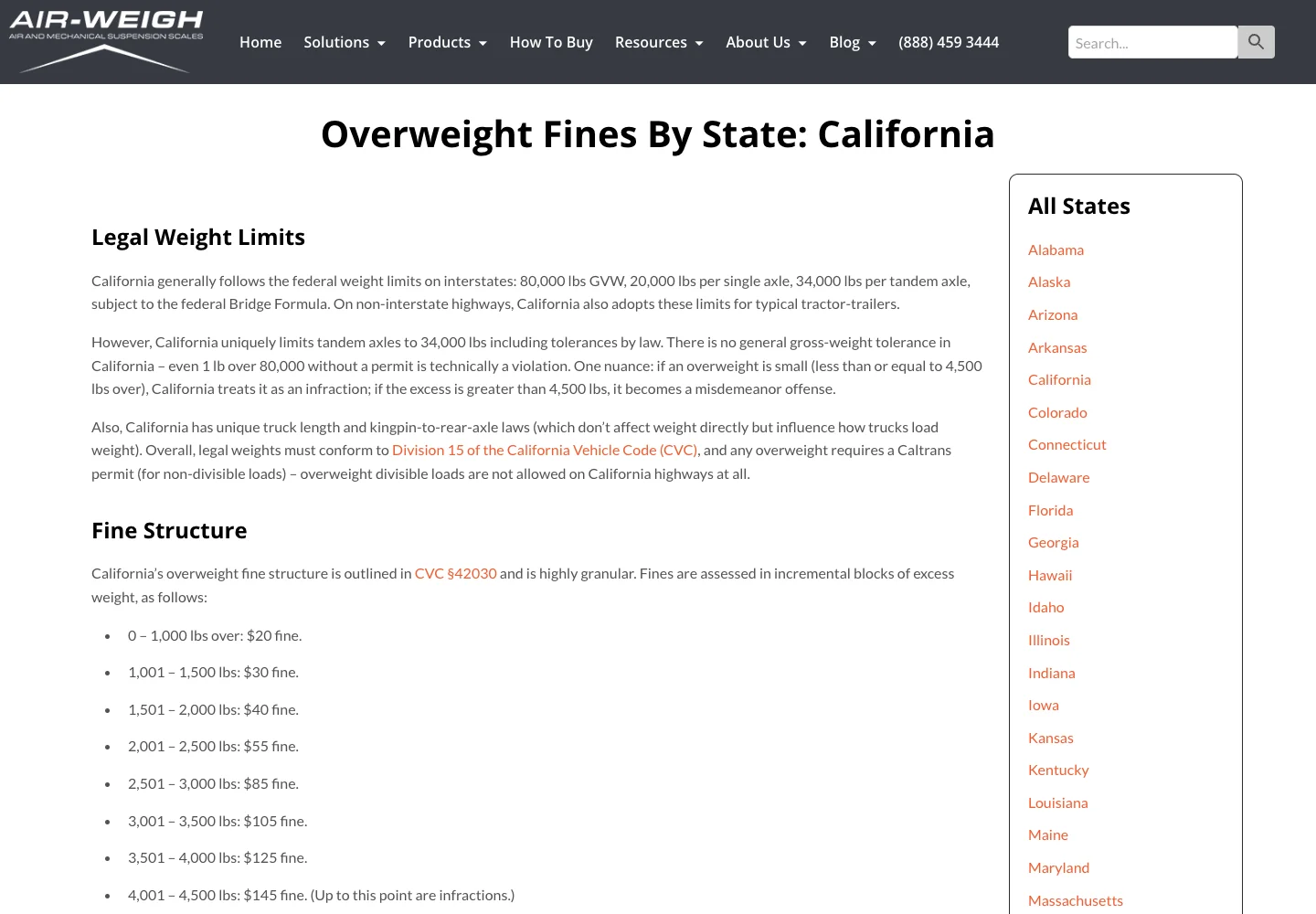
What Search Engines and AI Tools Want
Google’s helpful content guidelines favor content created by people with real expertise, written to help readers. They specifically warn against content that appears to be produced mainly by automation.
This is practical quality control. Search engines and AI tools want to recommend sources that:
Provide accurate information. AI-generated content can include statements that sound right and are wrong. An expert catches and fixes them.
Show real experience. Content written from firsthand knowledge is more trustworthy than a summary of what others wrote.
Help people. Content that solves real problems reads very differently from content written to fill a page with keywords.
Come from authoritative sources. Expertise, credentials and a track record all shape how trustworthy a source looks.
AI tools choosing which sources to recommend use similar criteria. They want to cite content that is accurate, deep and useful.
What Quality Means
Quality is about substance, far more than word count or keyword density. Here’s what sets quality content apart:
Accuracy
The information is correct. The technical details are right, the advice is sound, and recommendations follow real best practices.
AI tools can produce confident-sounding content that is factually wrong. An expert recognizes the errors that an automated process lets through.
Specificity
Generic content says “Water heater problems can be caused by several factors.” Specific content says “A rumbling sound usually indicates sediment buildup at the bottom of the tank, which happens when minerals in your water settle over time.”
Specific detail comes from expertise. Someone who has diagnosed water heaters knows what that rumbling means.
Experience-Based Insight
Quality content includes the perspective that comes from doing the work. “In my experience, customers often wait too long to deal with this because…” That kind of insight comes from practice, and no training data can supply it.
Alignment with Customer Needs
Quality content answers what your customers want to know, in the words they use. That takes knowing your own customers, well beyond the general topic.
Clear Path to Value
Quality content connects information to action. It explains the problem and then guides the reader toward a solution, and for a business that path leads to your services.
AI as Your Assistant
The real question is how to use AI well.
AI tools can help with creating engaging content:
Research assistance. AI can gather information, identify related topics, and surface questions worth addressing. This accelerates the research phase.
Outline generation. AI can suggest structures and organize information logically. Human judgment then refines and improves the outline.
Draft creation. AI can produce initial drafts that humans then substantially revise, adding expertise, correcting errors, and improving quality.
Editing support. AI can identify clarity issues, suggest improvements, and catch basic errors. Human editors make final decisions.
People stay in charge throughout. People decide which topics to cover, which angle to take and what advice to give. People check the facts and add the expertise and experience that make content worth reading. AI handles the tasks that don’t need that judgment.
This combined approach is faster than writing everything by hand and keeps a level of quality automated content can’t reach.
Metal Finishing Group Explains Every Process in Detail
Metal Finishing Group’s website gives each finishing process its own technical article, written for the engineers and buyers who specify them.
Google Search Console August 19 to September 15, 2026; Google Analytics August 20 to September 16, 2026. Google Analytics also recorded 10 sessions in its AI Assistant channel.
Technical content for technical buyers
An engineer comparing anodizing types finds the specifications, the process and the industries it serves on one page.
See the Metal Finishing Group project →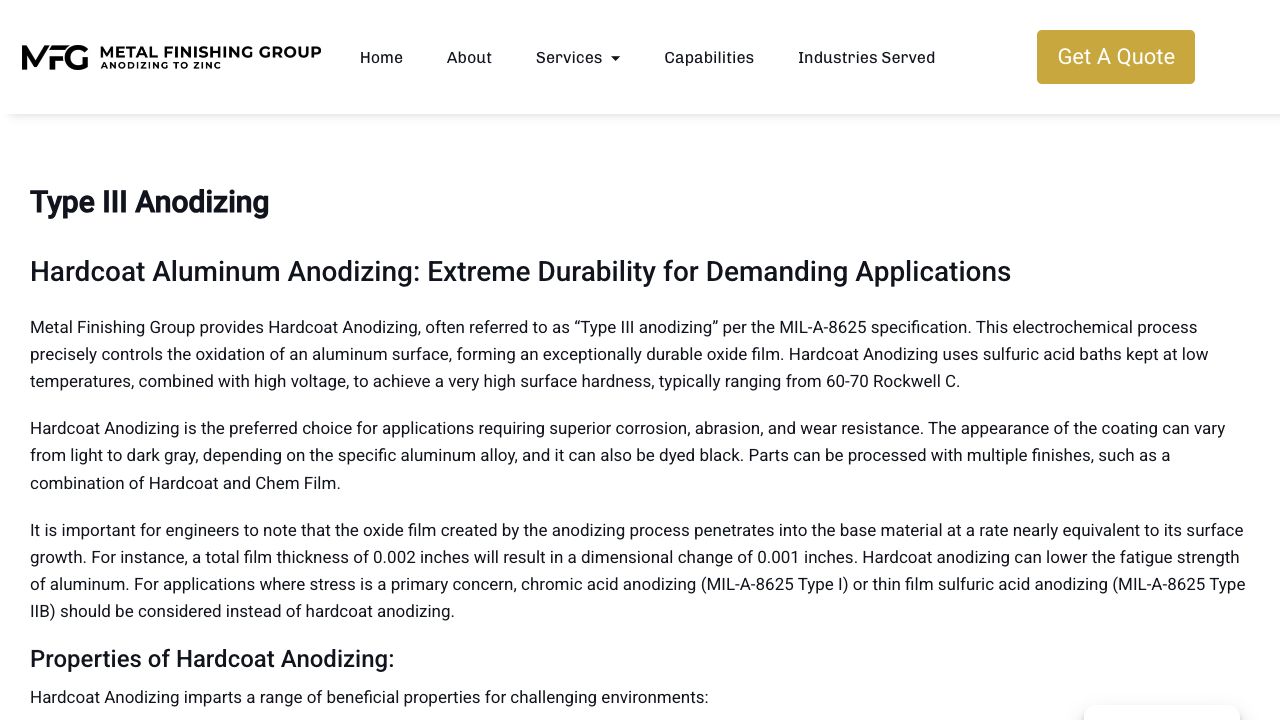
Why Quality Matters for AI Search Specifically
An AI tool that recommends a source takes responsibility for that recommendation. If it cites bad information, it looks bad, which gives it every reason to favor quality sources.
Consider what happens when AI constructs an answer:
It needs sources that answer the question accurately, keep readers on the right track, show expertise on the topic, and go deep enough to support a complete answer.
Surface-level, AI-generated content comes up short here. It may be accurate in a generic way, and it lacks the depth, specifics and signs of expertise that make a source worth citing.
Quality content, with its accuracy, specifics and experience, gives AI tools what they need. It lowers their risk of recommending bad information and makes them look good by association.
What Cutting Corners Costs
Low-quality, fully automated content carries real risks:
Ranking penalties. Google’s helpful content system can reduce rankings for sites with substantial unhelpful content. This can affect the whole site.
Trust damage. Visitors who encounter generic, unhelpful content form negative impressions. They’re less likely to trust you or become customers.
Missed opportunities. Content that shows no expertise gives visitors no reason to pick you, and you blend in with every other site.
Accuracy liability. AI-generated content can include errors. If those errors lead customers astray, particularly in fields like health, finance, or safety, the consequences can be serious.
Those costs quickly outweigh the savings. Content that doesn’t rank, convert or build trust loses money, however little it cost to produce.
How to Evaluate Content Quality
Whether you write content yourself, use your staff or hire a vendor, here’s how to judge quality:
Does it say something specific? Generic content could describe any business. Quality content reflects your expertise, services and customers.
Is it accurate? Have someone with real expertise review it. Are the facts right? Is the advice sound? Would you give this advice to a customer?
Does it show experience? Look for insights that come from doing the work. If someone who has never worked in your field could have written it, something is missing.
Does it match how customers think? Read the content as if you were a potential customer. Does it address your real questions? Does it use language you understand? Does it make you trust the business more?
Does it lead somewhere useful? After reading, does a visitor know what to do next? Is there a clear connection between the information and your services?
Content that falls short on these tests needs work before it’s published, however it was created.
Investing in Quality
Quality content costs more up front, because expertise, yours or someone you hire, takes time.
The returns compound. Quality content:
Ranks better and longer, holding its performance for years. Keeps generating leads with no additional spending. Builds trust with every piece you publish. Strengthens your visibility in AI search, where quality sources have a growing advantage.
So the real question is what content that doesn’t deliver results is costing you.
Human Expertise in an AI World
AI tools are changing how content is created, discovered and read. What makes content valuable stays the same: accuracy, expertise, helpfulness and trustworthiness.
Those qualities still take human judgment. AI can speed up and support the work, and the expertise that makes content worth reading and recommending comes from you.
For small businesses, that’s good news. You have expertise AI can’t replicate, and the businesses that capture and share it will outperform the ones relying on shortcuts.
If you want to see what quality content led by your expertise looks like for your business, I’ll outline topics on a planning call, show you sample approaches, and walk you through how we combine people and AI. Call or text (541) 226-8087.
Related Articles
- Your Expertise Is Your Advantage: How Service Businesses Win in AI Search
- Stop Writing About Your Services. Start Writing About Their Problems.
- How We Use Chat GPT
- Stop Guessing What to Write. Start Listening to Your Customers.
- Why Your Website Needs an AI Authority Engine (And What That Actually Means)

I run Good Creations in Grants Pass. I work directly with business owners on website design, content, and search. My work includes service writing, inventory websites, and custom publishing tools.
Meet Bob