I use ChatGPT on every web design and marketing project, and in this article I’ll show you how, using a project I completed for Bob Sloss at Shamrock Window & Door. Most people talk about ChatGPT for writing articles and social media posts, and that is where I see it used the most. That is just the tip of the iceberg.
For content, ChatGPT gives you a fantastic starting point. I’m no expert in the window industry, so ChatGPT was like having a window expert at my fingertips to answer questions, and I didn’t have to bother Bob with every one. It gave me the talking points, which I then rewrote in a human voice.
You do have to rewrite it in your own words. I’ve read so many ChatGPT-generated articles that when I see “We understand that every situation is unique, that’s why…” I recognize it instantly. If I can spot that, so can Google. I’ve experimented with different ways of using ChatGPT, and articles written entirely by AI don’t rank as well as articles written by people.
What you get out of ChatGPT is only as good as what you put in. Like any tool, there’s a right way to use it and a lazy way. ChatGPT is incredibly advanced, and it still thinks differently from a person, so an article it writes on its own reads as artificial.
Using ChatGPT only to churn out website content wastes its real value and shortchanges the client. Used well, it is the most valuable tool I have.
Back to that window expert at my fingertips: what if I could hand it today’s SEO data and have it analyze the numbers for me? Then I get instant answers to SEO questions, like a research assistant who knows everything about my client’s industry and customers. Here’s how I used it to build shamrockwindowanddoor.com.
Shamrock Window And Door Case Study
Bob Sloss, the owner of Shamrock Window and Door, saw my ad on Craigslist and called me because he wanted a website for his window and door company. He had been in business longer than anyone in the Seattle area, and he had no online presence at all. He named one company (which I’ll leave unnamed) as his biggest competitor.
I subscribe to SEMRush, an SEO research tool that lets me look deep into any company’s website, so I ran detailed reports on that competitor. I wanted to know how much traffic they were getting and how their customers were finding them.
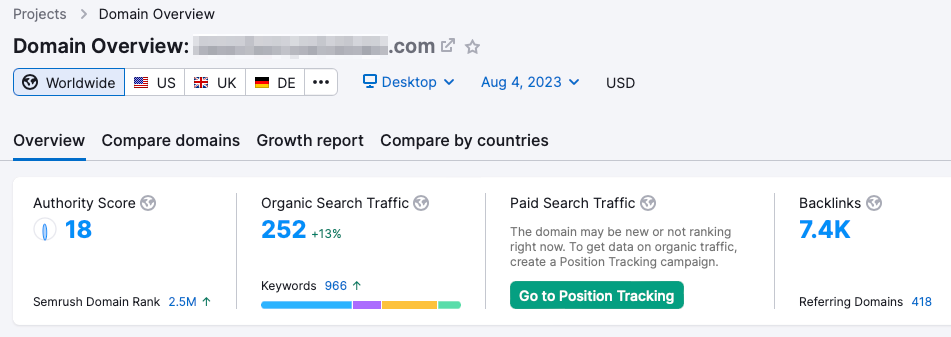
This report shows they get 252 visits per month from Google searches, and my client wanted a piece of that business. Of those 252 visitors, 87 have commercial intent. These are the people who want to hire the competitor.
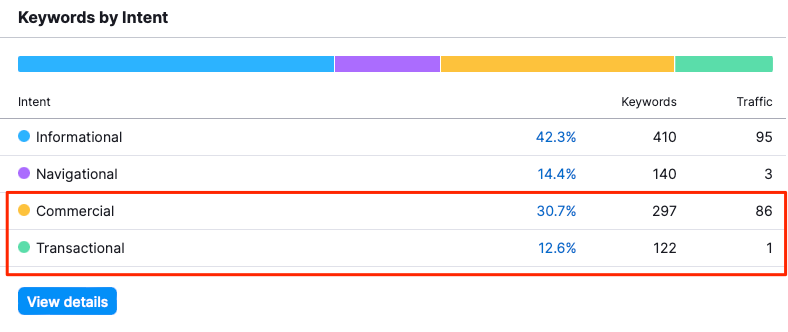
I exported the competitor’s SEO data from SEMRush into a spreadsheet, focused on their customers and the keywords that bring them in, and fed it to ChatGPT. Now ChatGPT could answer specific questions about that data instantly, and it found opportunities like this one:
Based on the keyword data provided earlier, “replacement windows” and “window replacement” both seem to be valuable keywords, but they have different search volumes and difficulties:
“Replacement windows”:
- Search Volume: 18,100
- Difficulty: 70.99 (High)
“Window replacement”:
- Search Volume: 12,100
- Difficulty: 74.32 (High)
Good information. What does it mean?
- “Replacement windows” is searched 6,000 more times a month than “window replacement,” and it’s also slightly easier to rank for.
- Remember, this is the competitor’s data, so these are their customers’ searches. The competitor uses “window replacement” everywhere on its website, while 50 percent more of its customers search for “replacement windows.”
That’s an opportunity we could use. ChatGPT found several more like it. For example, I asked it which services to prioritize when we built the site.
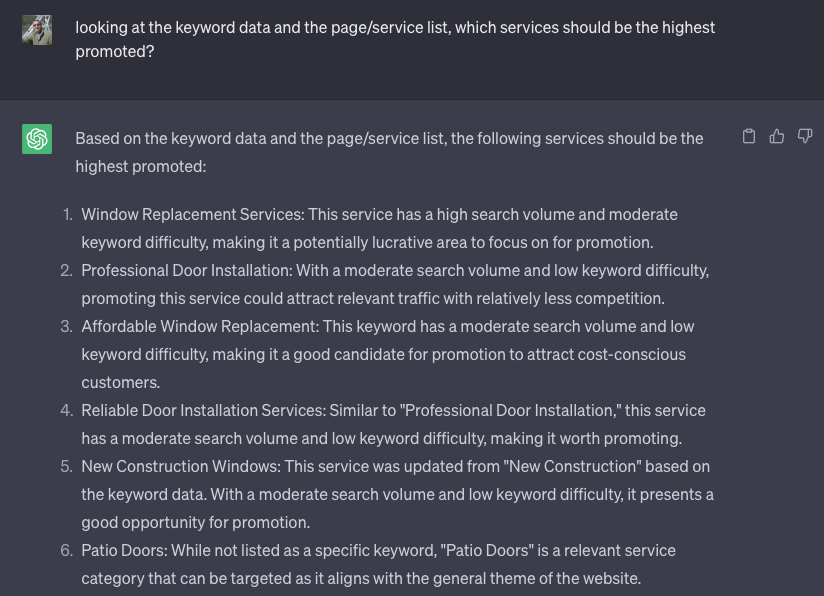
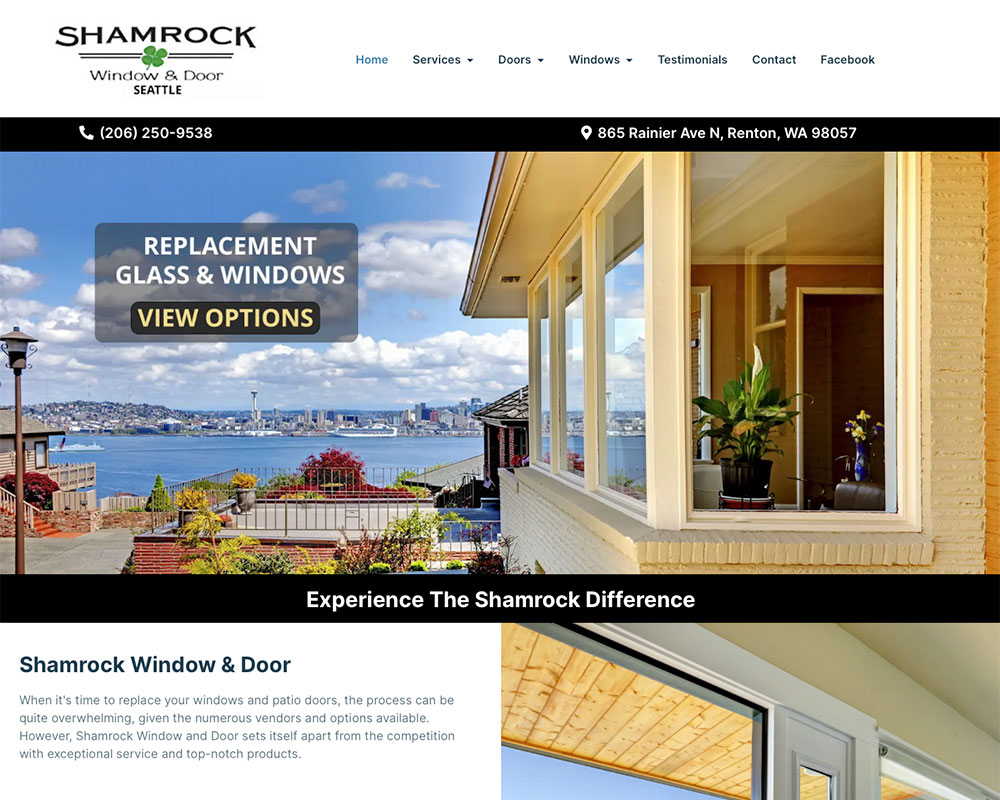
We used all that keyword data to build the homepage. We knew exactly what Shamrock’s ideal customer searches for, and we presented it in a beautifully designed website.
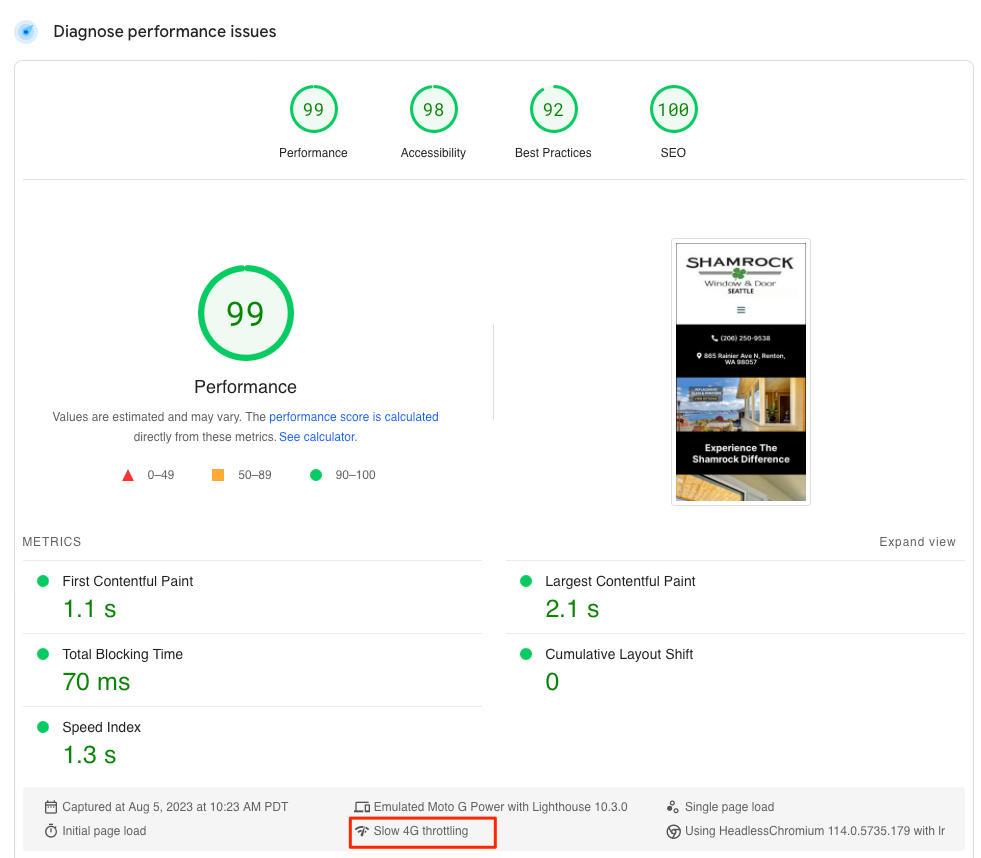
Keywords are only one part of how Google ranks your website. Google also scores every website on four technical measures.
Performance
Google wants to recommend websites that give people a good experience. Since the move to mobile-first ranking, Google tests a website’s speed on a slow 4G phone connection. If your site scores poorly there, even great, targeted content has a hard time ranking, because Google treats slow websites as a poor experience.
Accessibility
This measures how accessible your website is to people with disabilities. Google wants your website to work for everyone. One of its checks, for example, makes sure there is enough contrast between text and background for visitors with color blindness.
Best Practices
This scores the website against Google’s coding standards, including image sizes and resolutions.
SEO
This is how Google rates the technical SEO setup of the website.
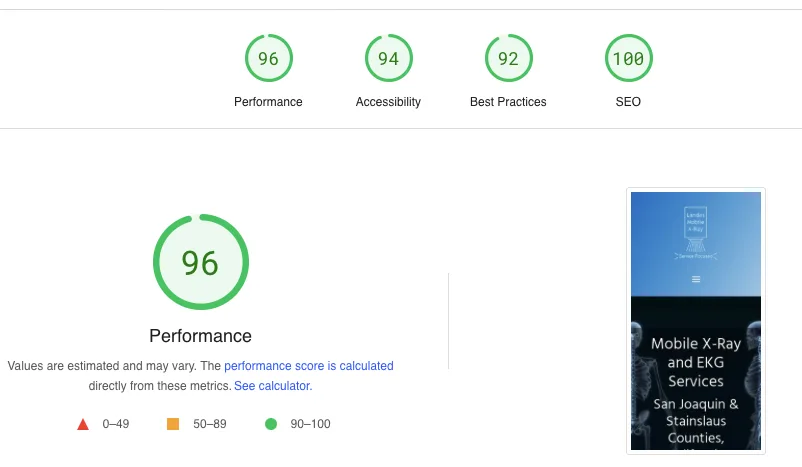
To rank on Google, you need high scores on all four. Here is how Shamrock’s new website scores:
Air-Weigh’s Guides Bring In 41% of Its Google Clicks
Air-Weigh makes on-board scales for trucks. Its website has a detailed weight-law guide for each state, answering the question a fleet manager or driver types into Google.
August 17 to September 13, 2026. Google Search Console clicks and impressions; AI-assistant sessions from Google Analytics (75 attributed to ChatGPT). Site-wide activity, not sales.
Answer the exact question
The California and Texas guides each run about 900 words, and they rank for questions as specific as the bridge-law chart for Montana.
See the Air-Weigh project →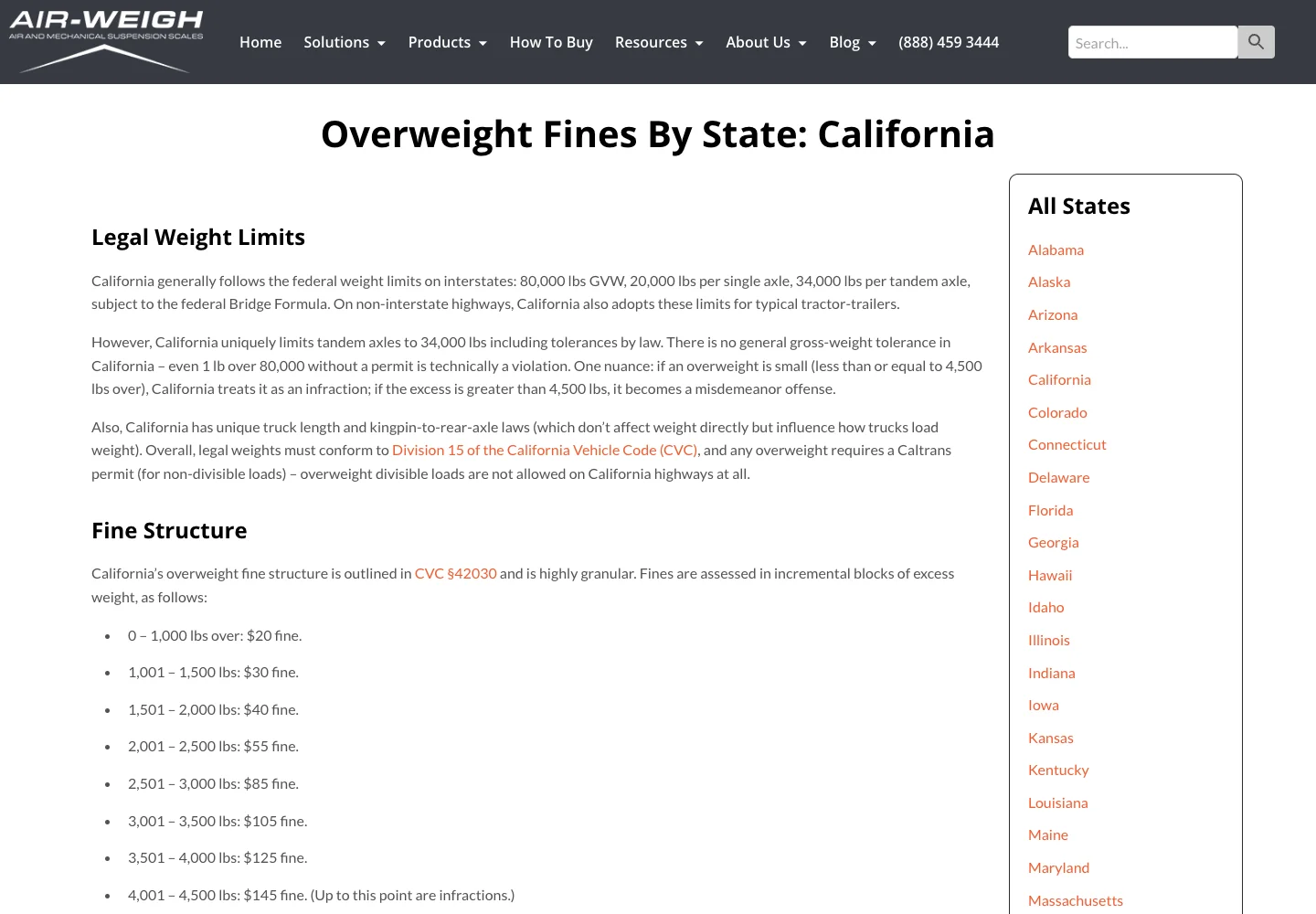
Bonus Case Study
Sometimes your client is already the biggest fish in the pond. Because this example uses a client’s own data, I’ve removed anything that would identify them. They came to me as the number one XXXXXXX store in Medford, looking for a new company to help with their website.
This time I didn’t need to study the competition. Their own website received over 10,000 visitors a month from Google, which gave me all the data I could want:
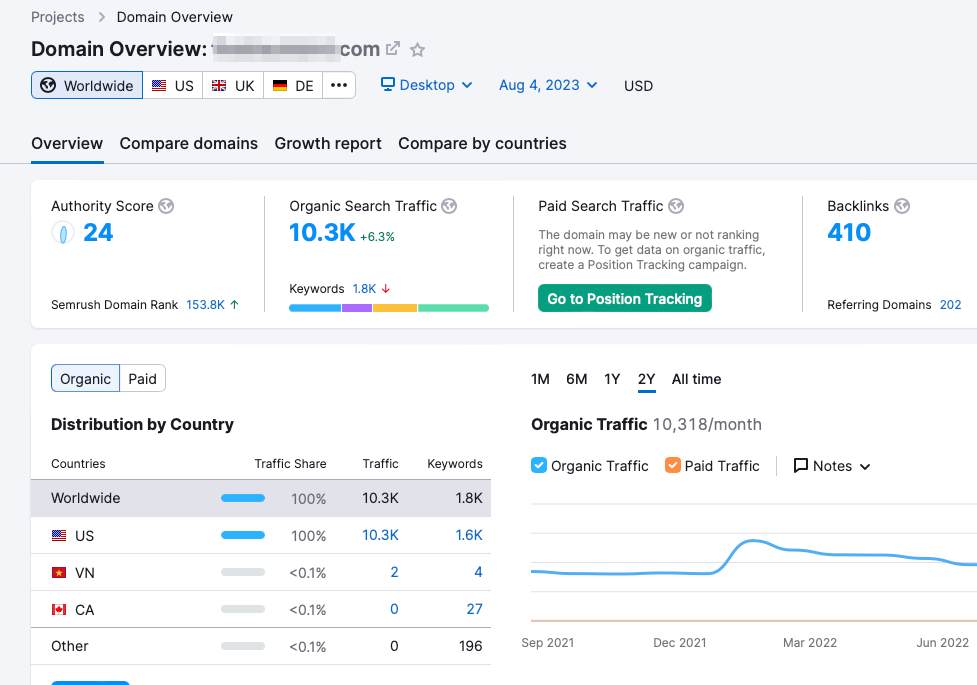
I fed their data into ChatGPT and asked for opportunities and recommendations.
“Despite high search volumes, some keywords are underperforming in terms of generating traffic. For instance, “xxxxxx” and “oregon xxxxxx xxxx” have search volumes of 18,100 and 8,100, respectively, but they contribute only one unit of traffic each.“
That’s very interesting. Two core keywords with 24,000 searches a month were bringing in two website visitors. That’s the first opportunity.
“There is room for improvement in search engine optimization (SEO) strategies for certain keywords. The search term “xxx xxxxx near me”, for example, has a search volume of 1900 but ranks 11th, contributing only 9 units of traffic.”
That keyword tells us something useful. It has less search volume than the others, and people are scrolling past the first results to find it, which means they aren’t finding what they want higher up. If we move that keyword up, we capture more of those 1,900 monthly searches. That’s opportunity number 2.
“Other areas can also be improved, for example, “xxxx xxxxx in medford oregon” has a keyword difficulty of 47 but only contributes one unit of traffic.”
Well, that’s just criminal! That keyword is relatively easy to rank for, so it’s a quick win and opportunity number 3.
Then I asked ChatGPT to dig further and come back with a more detailed analysis:
- XXXX-related keywords: There seems to be a significant demand for xxxx xxxx xxxx. The search volumes for keywords such as “xxxxxxxxx”, “xxxxxxxxxx”, “xxxxxxxxxxxx”, and “xxxxxxxx near me” are relatively high.
Despite the site not currently ranking in the top 10 for these keywords, the keyword difficulty is not exceptionally high, suggesting that with some targeted SEO work, these rankings could improve.
- XXXXXXXXXX-related keywords: Many of the xxxxxxx-related keywords like “xxxxxxxx stores medford oregon”, “xxxxxxxx medford oregon”, “medford xxxxxxxx”, and “xxxxxx xxxxxxx medford oregon” are ranking quite well and delivering traffic, despite their medium search volumes.
These terms could also be a focus for further optimization.
- XXXX/XXXXXXX-related keywords: There are several keywords related to xxxxx and xxxxxxx xxxxx that have good search volumes but are not driving much traffic, likely due to lower rankings.
Improving the SEO for keywords like “xxxx xxxxx, “xxx xxxxx near me”, “xxxxx xxxxx xxxxx”, and “xxxx xxxx service” could potentially drive more traffic to the site.
- Medford-centric keywords: Since the website seems to be locally oriented in Medford, Oregon, focusing on local keywords could also be beneficial. They are already ranking well for some, but there are others with potential such as “xxxxxxxx medford” and “xxxxxxxxx medford or”.
When it comes to choosing the right keywords for your business, there’s no need to guess anymore. At Good Creations we already knew how to build websites that rank well on Google. Now we have a tool that helps us target the exact keywords and opportunities that matter.
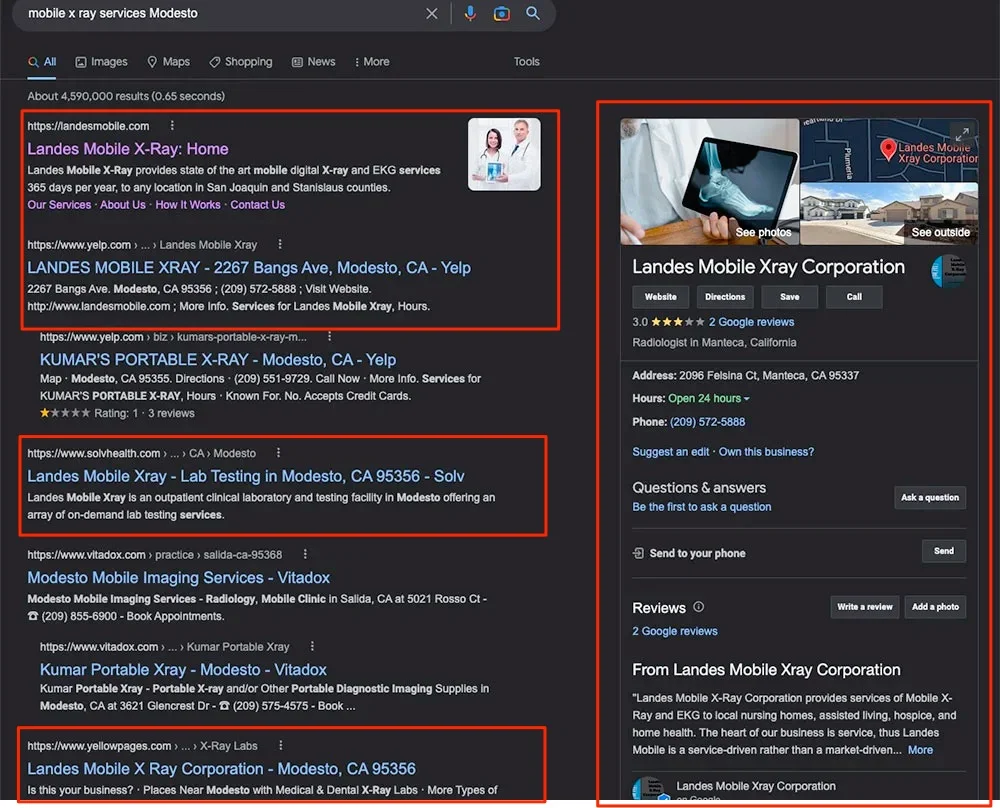
Get it right, and you can achieve results like these.
Here is what those rankings look like when someone searches for mobile X-ray services in Modesto:
Metal Finishing Group Explains Every Process in Detail
Metal Finishing Group’s website gives each finishing process its own technical article, written for the engineers and buyers who specify them.
Google Search Console August 19 to September 15, 2026; Google Analytics August 20 to September 16, 2026. Google Analytics also recorded 10 sessions in its AI Assistant channel.
Technical content for technical buyers
An engineer comparing anodizing types finds the specifications, the process and the industries it serves on one page.
See the Metal Finishing Group project →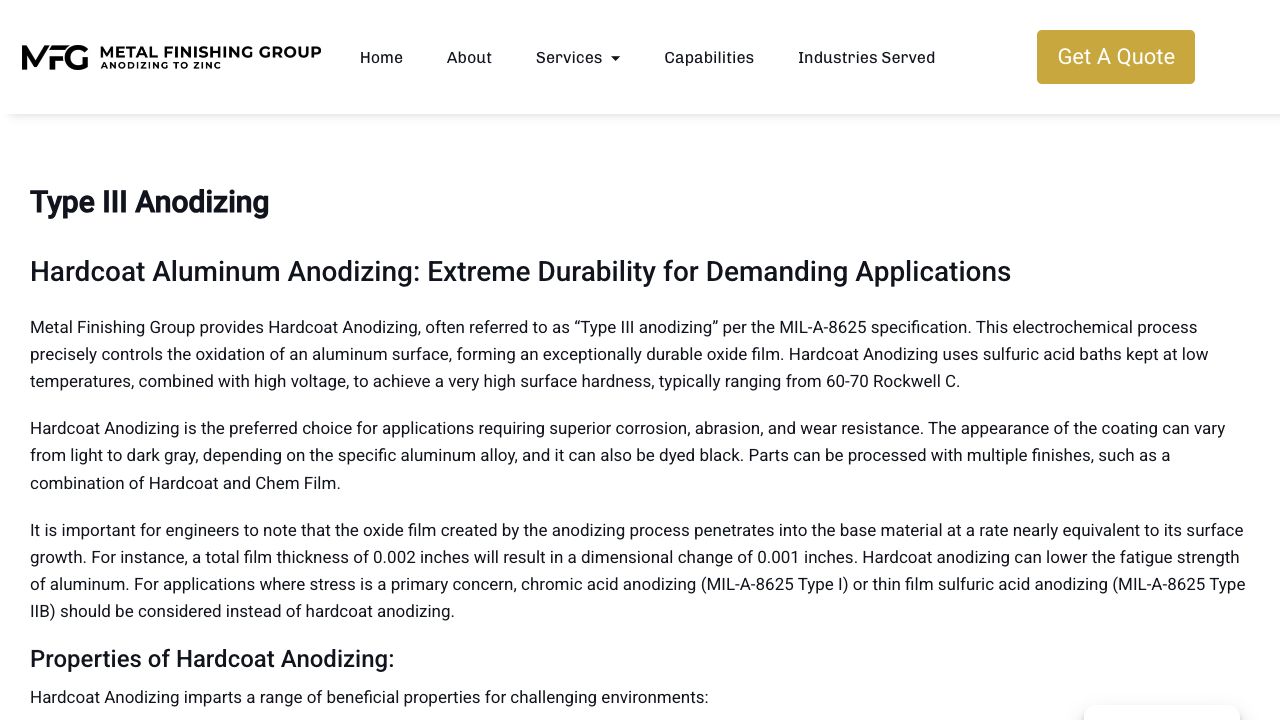

I run Good Creations in Grants Pass. I work directly with business owners on website design, content, and search. My work includes service writing, inventory websites, and custom publishing tools.
Meet Bob